Last Updated: November 2, 2026
Quick Summary
To calm down during a panic attack, acknowledge it and tell yourself it is not a heart attack, then slow your breathing by inhaling for four, holding for four, and exhaling for six. Ground yourself by pressing your feet on the floor and naming three things you can see, and reduce extra stimulation like bright lights and noise.
- A panic attack usually peaks within 10 minutes and fades within 20 to 30 minutes.
- Repeat the four-in, four-hold, six-out breath five to ten times.
- If breath focus makes you dizzy or more panicked, stop and switch to grounding or cold water.
- If you are driving, pull over safely and park before starting any technique.
- Seek emergency help if chest pain does not ease or shortness of breath continues after the attack should have peaked.
Table of Contents
- The First Few Minutes: A Step-by-Step Plan to Calm Down During a Panic Attack
- Panic Attack Grounding Techniques That Bring You Back to the Present
- Breathing Exercises for Panic Attacks (And What to Do When They Feel Uncomfortable)
- What to Say to Yourself During a Panic Attack
- How Long Does a Panic Attack Last?
- After the Attack: Recovery and When to Seek Professional Help
- Request an Appointment at Nobility Better Health
- Frequently Asked Questions
The First Few Minutes: A Step-by-Step Plan to Calm Down During a Panic Attack
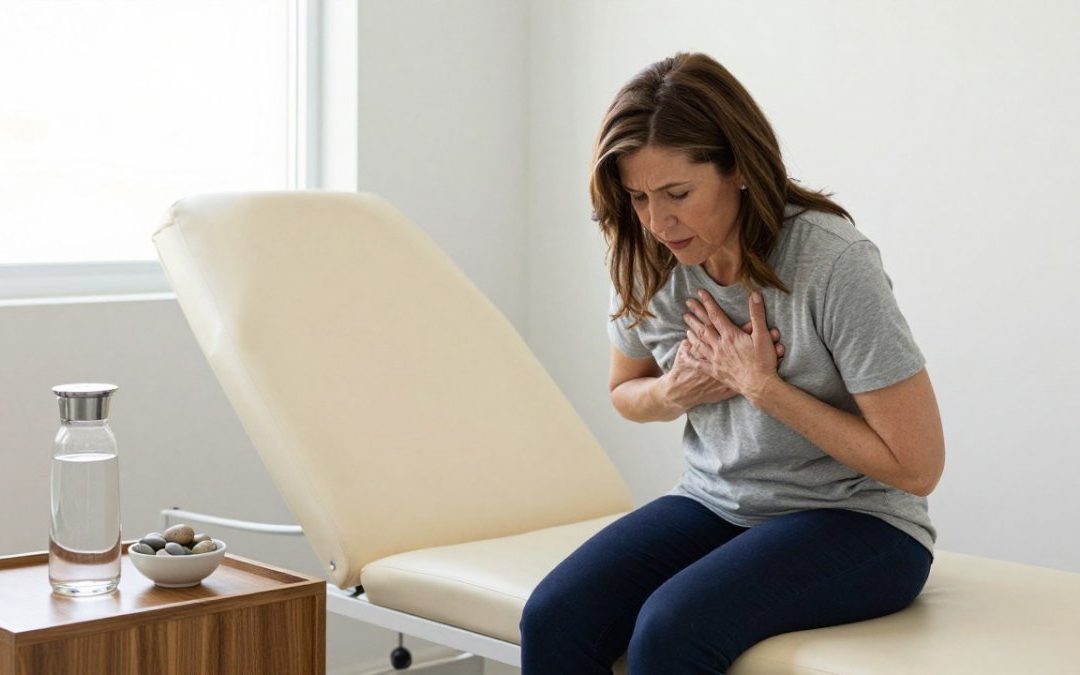
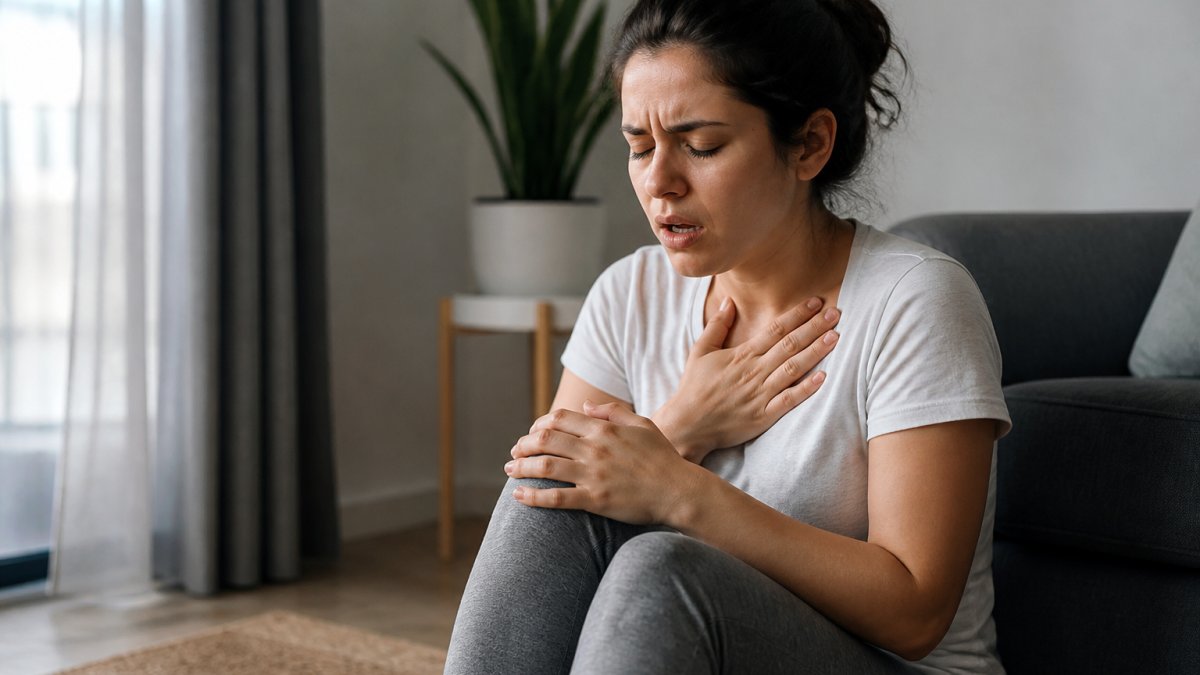
A panic attack is a sudden surge of intense fear that peaks within minutes and then fades. The physical signs are real: a racing heart, tight chest, and shortness of breath. You are not in danger, and this will pass.
Knowing how to calm down during a panic attack starts with a simple plan. Below, we walk through the first few minutes, step by step, then show how to adapt the plan to where you are when an attack starts.
Step 1: Acknowledge the Attack and Reassure Yourself
Name what is happening. Say it silently or out loud: “This is a panic attack. It is not a heart attack.” Naming the fear can help your mind feel less alarmed.
Many people find that resisting the panic makes it worse. Instead, let it peak. Panic symptoms rise fast, then fall. Remind yourself that you have survived every attack before this one.
Step 2: Slow Your Breathing
Slow breathing can help signal safety to your body. Try this: inhale through your nose for a count of four, hold for four, then exhale slowly for a count of six.
Keep your exhale longer than your inhale. A longer exhale is often associated with a calmer state for many people. Don’t force deep breaths. Gentle and slow beats big and fast.
Watch out: if breath focus makes you dizzy, lightheaded, or more panicked, stop and switch to grounding or a cold sensation instead.
Step 3: Ground Yourself in the Present
Grounding pulls your attention away from fear and back to the room around you. It works because panic lives in the future (“what if…”) and grounding lives in the present.
Try one of these right away:
- Press both feet flat on the floor and notice the pressure
- Name three objects you can see
- Touch something nearby and describe its texture
Now here’s the part most guides skip. If breathing exercises make you feel dizzy or more panicked, stop them. Some people feel worse when they focus on their breath. Grounding and cold water are good backups.
Step 4: Reduce Extra Stimulation
Lower the volume on everything your senses are taking in. Dim bright lights, step away from crowds or loud music, and put your phone on silent. If you are driving, pull over safely as soon as you can and park before you start any technique. Extra noise and light keep your nervous system on alert.
Adapting the Plan to Where You Are
The same steps work in different settings, but the order and the tools change. Use this quick guide:
- In public or at work: Head to a restroom, stairwell, or quiet hallway. Run cool water over your wrists. Use the 5-4-3-2-1 method silently so no one notices. If you are in a meeting, excuse yourself for a few minutes rather than pushing through.
- While driving: Pull over to a safe spot, put the car in park, and turn off the radio. Press your back against the seat and feel the support. Do not resume driving until your heart rate and breathing have settled and you feel steady.
- At home alone: Use cold water, a cool cloth on the back of your neck, or a weighted blanket. Call or text someone you trust and ask them to stay on the line while the attack peaks.
- With mobility or sensory needs: Choose techniques that fit your body. If standing or walking is hard, do grounding while seated. If cold sensation is uncomfortable, use a textured object or a familiar scent instead. If trauma reminders make closed-eye exercises difficult, keep your eyes open and focus on a fixed point.
Anxiety and Depression Association of America on panic disorder
Here is the step-by-step plan the article lays out for the first few minutes of a panic attack.
| Step | What to do | Key detail |
|---|---|---|
| 1 | Acknowledge the attack and reassure yourself | Say “this is a panic attack, not a heart attack” |
| 2 | Slow your breathing | Inhale four, hold four, exhale six; repeat five to ten times |
| 3 | Ground yourself in the present | Feet on floor, name three objects, describe a texture |
| 4 | Reduce extra stimulation | Dim lights, step away from crowds, silence your phone |
Panic Attack Grounding Techniques That Bring You Back to the Present
Panic attack grounding techniques are simple sensory exercises that shift your focus from fear to your five senses. They work in any setting, and no one around you needs to know you’re using them.

The 5-4-3-2-1 Method
This is the most popular grounding technique, and for good reason. It gives your mind a task. Go through each sense slowly:
- 5 things you can see: a lamp, a chair, a window, a cup, a door
- 4 things you can feel: your shirt, the floor, a table edge, your own hands
- 3 things you can hear: traffic, a fan, your own breath
- 2 things you can smell: coffee, fresh air
- 1 thing you can taste: water, gum, or just the inside of your mouth
Move through the list slowly and methodically. Rushing defeats the purpose.
Physical Grounding: Cool Water and Cold Objects
Some people find cold sensation helps them settle during an attack. Run cool water over your wrists. Hold an ice pack or a cold can against your cheek or neck. Splash cold water on your face if you can.
A cool cloth on the back of the neck works when you’re at home. These tools are portable, too. Keep a small ice pack in your bag for stressful days.
Breathing Exercises for Panic Attacks (And What to Do When They Feel Uncomfortable)
Breathing exercises for panic attacks help most people, but they don’t help everyone. A common mistake is pushing through discomfort because a guide said breathing always works.
If breath focus makes you feel worse, you are not failing. Try these swaps instead:
- Count backward from 100 by sevens
- Describe everything in the room out loud
- Do a simple physical task, like folding a towel or sorting coins
- Walk slowly and count your steps
The goal is not perfect breathing. The goal is to give your mind a calm, simple focus. Any task that holds your attention gently will do.
What to Say to Yourself During a Panic Attack
The right words can lower fear fast. What to say to yourself during a panic attack matters more than most people realize. Your self-talk either feeds the panic or quiets it.
Use short, true coping statements:
- “This is panic, not danger.”
- “It will peak and pass.”
- “My body is overreacting, and that’s okay.”
- “I’ve handled this before.”
- “I don’t have to fight this.”
Avoid statements like “I can’t do this” or “something is wrong with me.” Those feed the fear. Keep your self-talk calm, factual, and kind. Reassurance from a friend helps too. Ask them to stay nearby and speak slowly.
National Institute of Mental Health on panic disorder
How Long Does a Panic Attack Last?
A panic attack usually peaks within 10 minutes and fades within 20 to 30 minutes. Some symptoms, like lingering tension or fatigue, can last longer. The intense fear itself rarely lasts more than half an hour.
That short window is why calming steps work. You only need to ride out a few minutes. For more practical mental health guidance between visits, browse our Better Health Blog.
After the Attack: Recovery and When to Seek Professional Help
The minutes and hours after an attack matter. Your body has just run a stress response at full speed, and it needs time to settle. Treat the aftermath as part of the plan, not an afterthought.
Immediate Aftercare
Rest, drink water, and let your body settle. A short walk or some gentle stretching can help release leftover body tension. Eat something light if you have not eaten. Fatigue and shakiness are common and usually fade within an hour or two.
Reflect without self-blame. A common pattern is to replay the attack and criticize yourself for it. Instead, note what happened in plain terms: where you were, what you felt, what helped.
When Symptoms May Need Urgent Medical Care
Most panic symptoms are frightening but not dangerous. Some symptoms, though, can point to a medical issue and should not be assumed to be anxiety. Seek emergency help or call 911 if you have:
- Chest pain or pressure that does not ease
- Fainting or loss of consciousness
- Symptoms that are new for you or clearly different from your usual panic pattern
- Shortness of breath that continues after the attack should have peaked
- Symptoms that worsen instead of fading within about 30 minutes
Watch out: do not talk yourself out of getting checked if a symptom is new, severe, or feels different from your usual attacks. It is always reasonable to seek care when you are unsure.
When to Seek Professional Help
When attacks keep coming, professional help can make a real difference. Consider reaching out if attacks are frequent, if you start avoiding places or situations for fear of another attack, or if the worry between attacks is affecting work, sleep, or relationships. Nobility Better Health offers psychiatric wellness services that address anxiety and panic. For more on medication, see our guide on psychiatric medication management. Our care team includes psychiatric and family nurse practitioners.
American Psychological Association on panic disorder treatment
Request an Appointment at Nobility Better Health
Recurring panic attacks don’t have to run your life. Our team offers compassionate, evidence-based mental health care, including medication management, tailored to your needs.
Ready to take the next step? Use our request appointment form to get started. For questions about coverage, contact Nobility Better Health directly.
Frequently Asked Questions
What should I do during a panic attack?
Focus on slowing your breathing and grounding yourself in the present moment. Try the 5-4-3-2-1 technique: name five things you can see, four you can touch, three you can hear, two you can smell, and one you can taste. Remind yourself that the attack will pass and you are safe. If symptoms feel unmanageable or you have chest pain, seek urgent medical care to rule out other causes.
How can I calm a panic attack quickly?
Start with slow, controlled breathing: inhale through your nose for four seconds, hold for four, and exhale for six. Some people find splashing cold water on their face or holding an ice pack to their wrists helps them settle. Pair these with a coping statement like ‘This is temporary and I have gotten through it before.’ Practice these steps when you are calm so they become automatic during an attack.
When should I seek medical help for panic attack symptoms?
Seek urgent care if you experience chest pain, shortness of breath that does not improve, fainting, or a feeling of impending doom that feels different from previous attacks. These could signal a heart or lung issue. If panic attacks recur, interfere with daily life, or cause you to avoid situations, talk to a psychiatric provider. Nobility Better Health offers mental health care for anxiety, including medication management.
Can panic attacks be prevented or managed over time?
Yes. Regular sleep, limiting caffeine and alcohol, exercise, and stress management reduce attack frequency. Professional help, such as therapy and medication management, can help many people with symptoms. Nobility Better Health offers psychiatric care, including medication management, for anxiety. Request an appointment to discuss a plan tailored to your needs.


This article is for general education and isn’t a substitute for professional medical advice. If you’re in crisis, call or text 988 (Suicide & Crisis Lifeline).